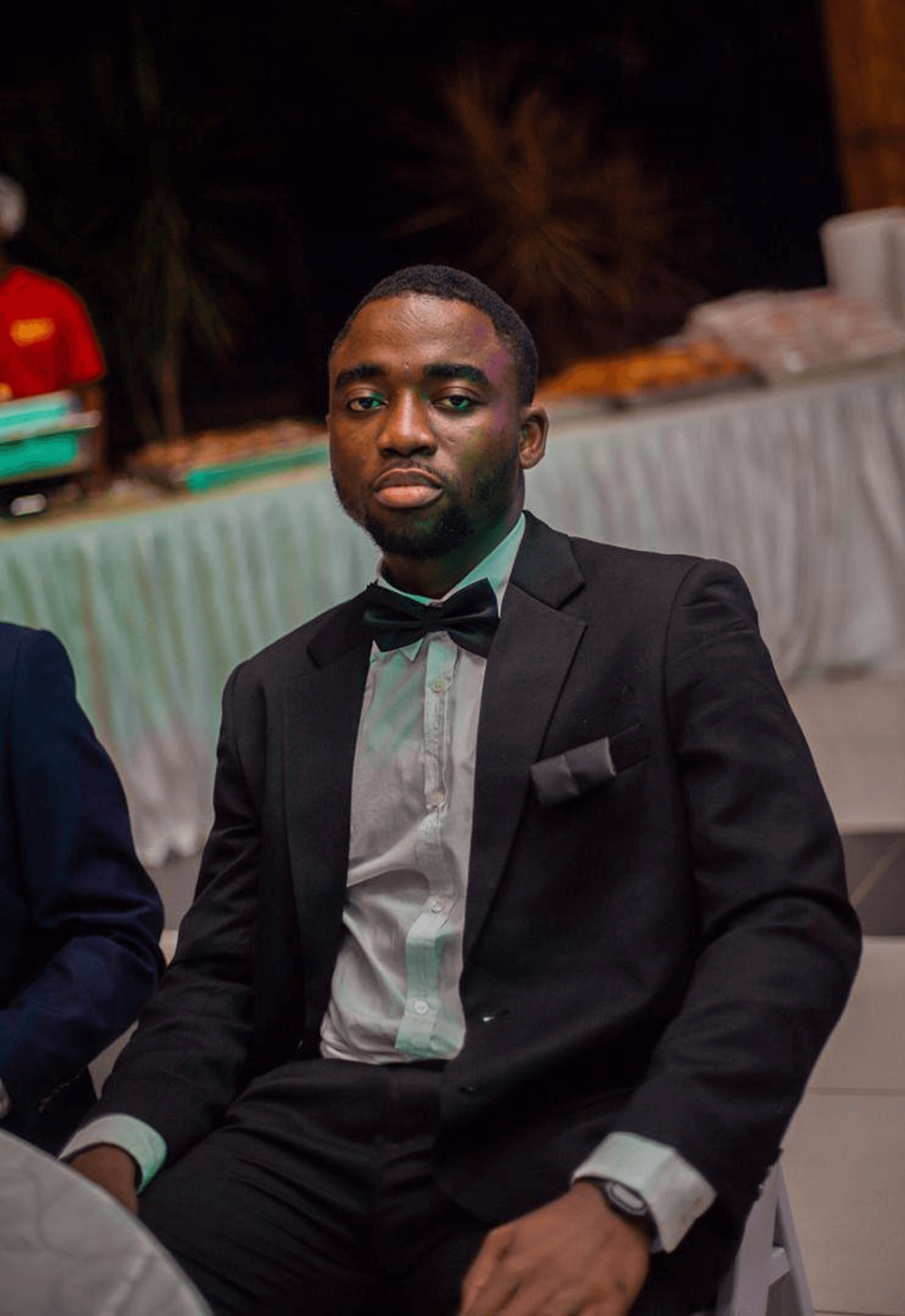
Artist
Prince El-Sha Martey
Documentary photographer based in Accra, working in unscripted, observational images of everyday life.
Statement
About
Prince El-Sha Martey is a documentary photographer and visual storyteller based in Accra, Ghana. His practice is built on observation rather than direction. He does not stage his subjects or construct a scene ahead of time. Instead, he moves through spaces already in motion, people already living their lives, and waits for the moment that was always going to happen whether or not a camera was there to catch it. That approach shapes everything about how his images read. There is an intimacy to his work that comes from proximity, not performance. His subjects are rarely aware they are being watched in the way a posed photograph demands. What he is after is closer to memory than portraiture. The kind of image that feels like it was pulled from something you already lived through, even if you have never seen the place or the person before. Prince's interest sits in the everyday. The rhythms of coastal life, the quiet exchanges between people who know each other, the in-between spaces that most people walk past without a second look. He treats these as worthy of full attention, not as filler between more obviously significant events. His images ask the viewer to slow down and notice what they usually don't. A hand resting on a shoulder. A conversation caught mid-sentence. The particular quality of light at a specific hour, in a specific place. Culture, memory, and survival run through his work as recurring threads, not as themes he sets out to illustrate but as things that surface naturally when you spend enough time watching people live. He is drawn to what a place holds onto over time and what it lets go of, and to the people who carry both without necessarily naming either. As one of the founding artists at Agbawe Archives, Prince's photography forms part of a larger documentation project centered on Accra's neighborhoods and the people who shape them. His work is grounded in a belief that the ordinary is not a lesser subject. It is the subject. The stories that hold the most truth are often the ones nobody thought to record, until someone finally paid enough attention to notice they were happening at all.
Works in the archive
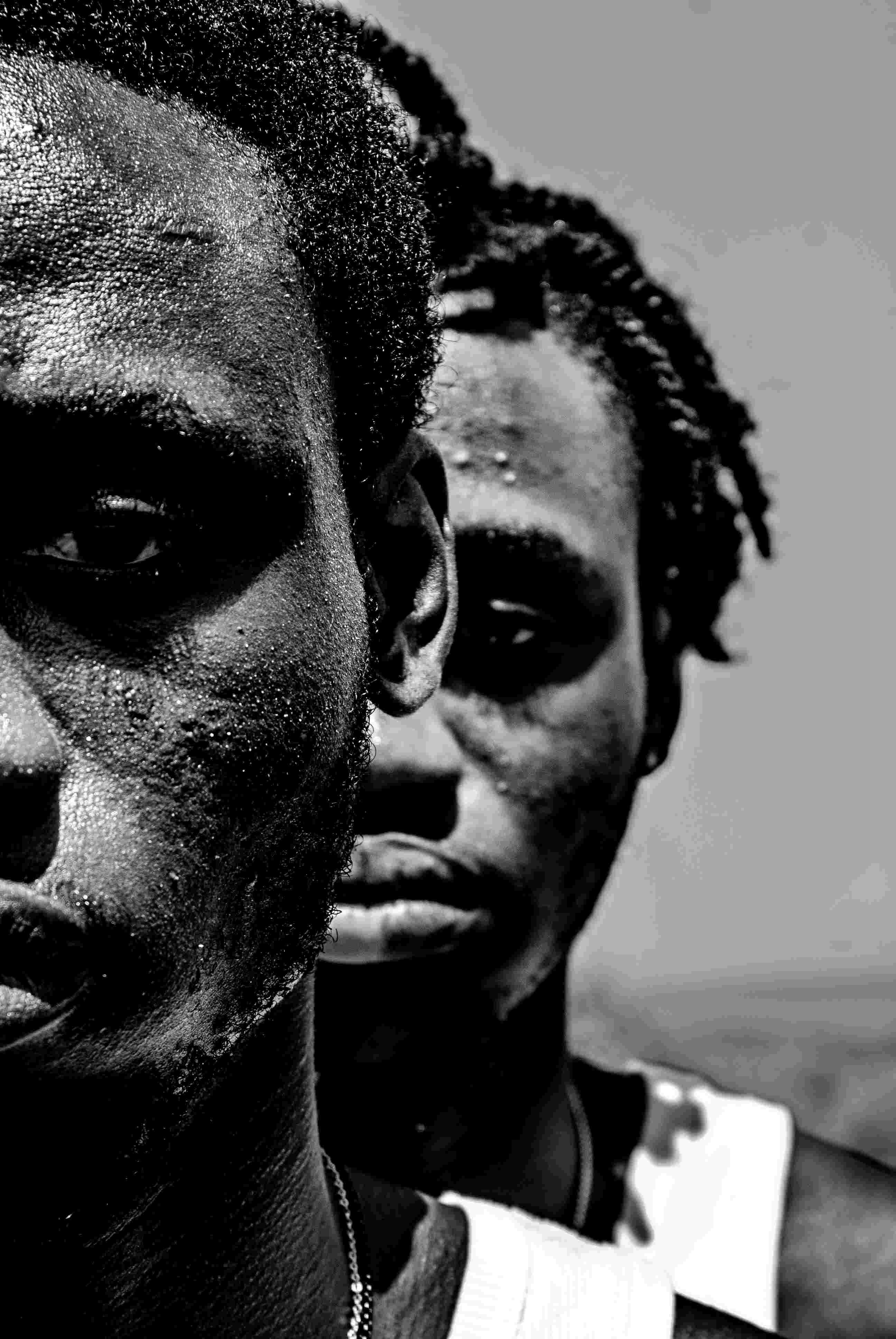
Prince El-Sha Martey
Phase III: The Acceptance
Limited edition
$260
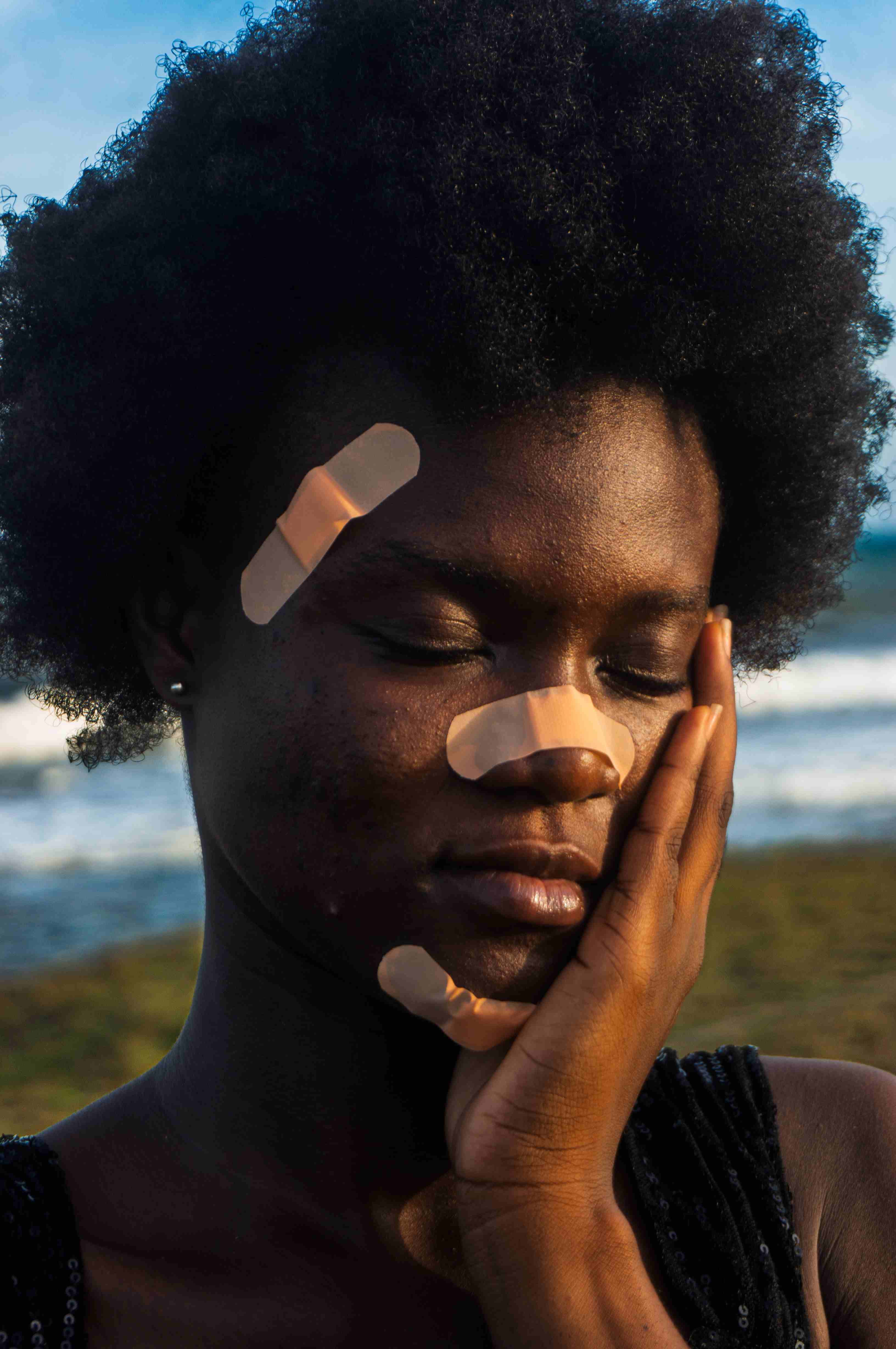
Prince El-Sha Martey
Softly, I Heal
Limited edition
$260
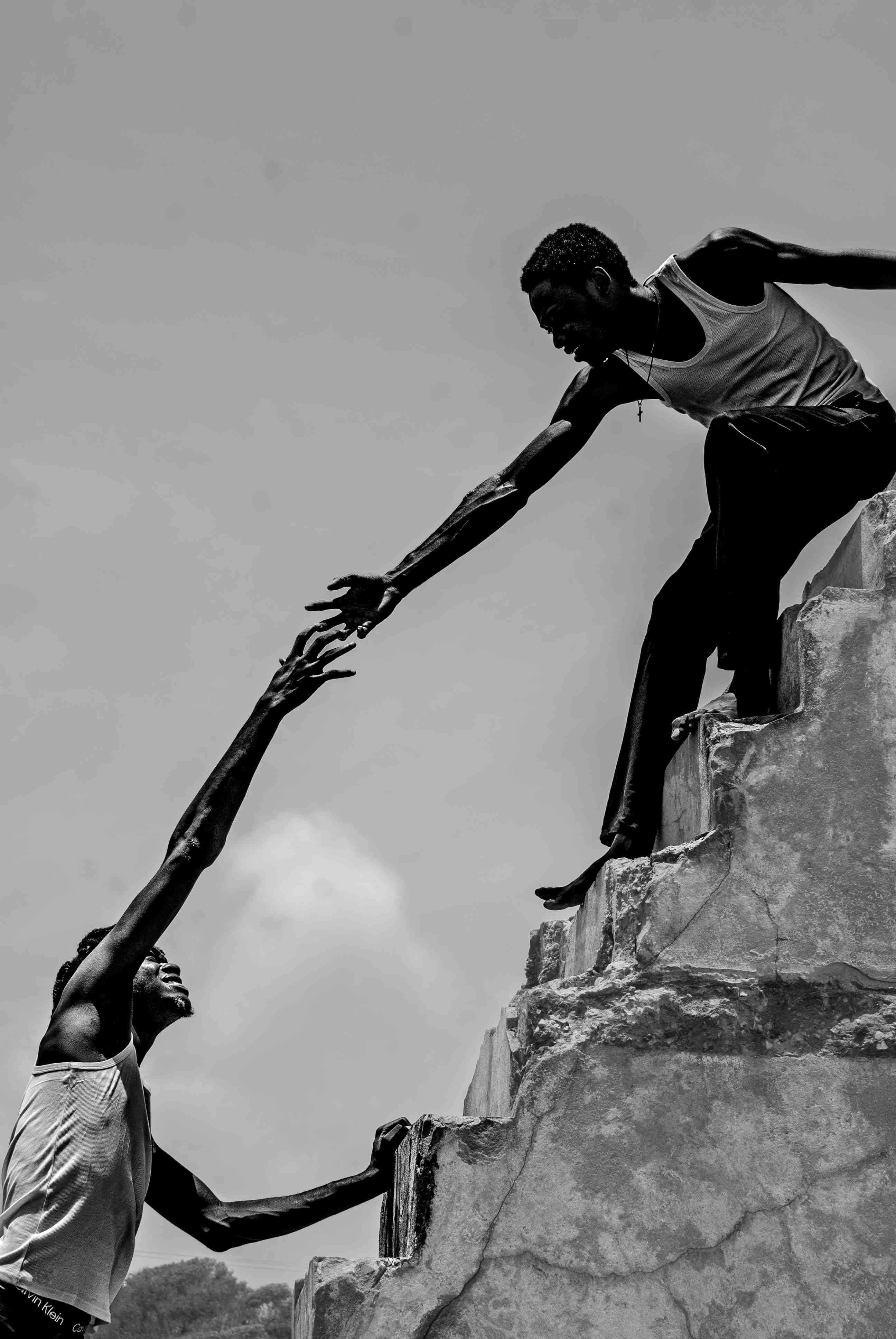
Prince El-Sha Martey
Phase I: The Reaching Back
Limited edition
$260
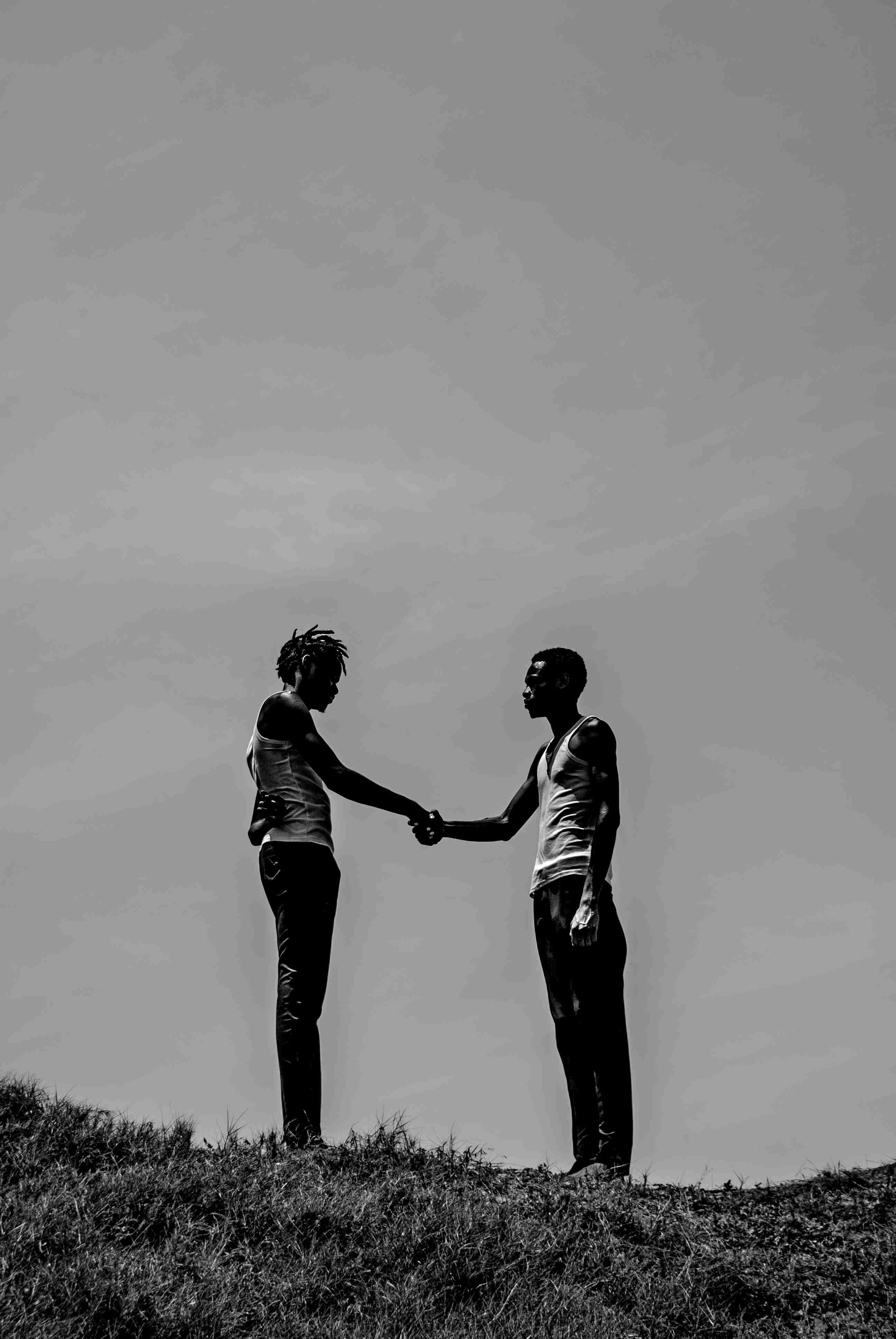
Prince El-Sha Martey
Phase II: The Common Ground
Limited edition
$260
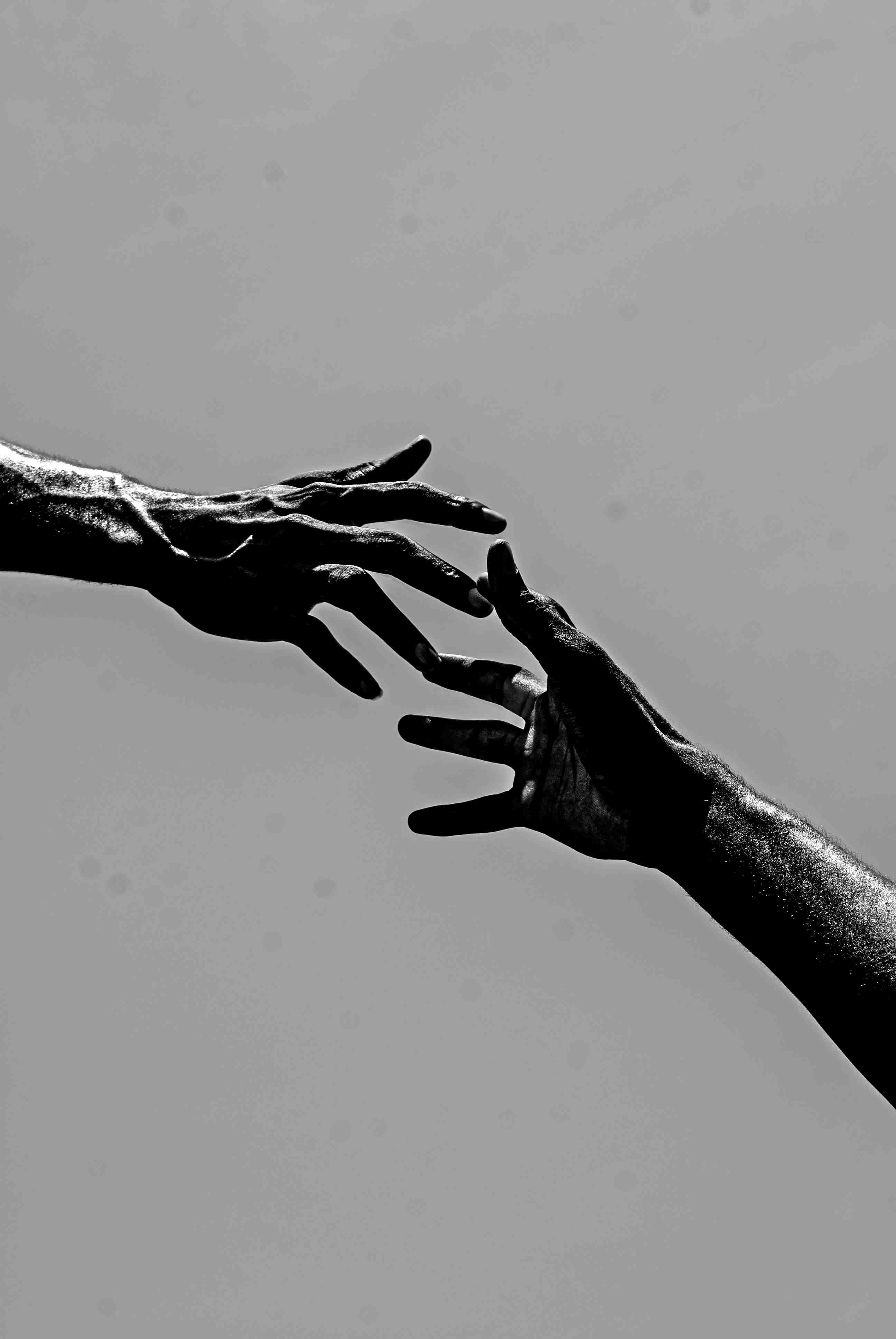
Prince El-Sha Martey
The Connection
Limited edition
$260

Prince El-Sha Martey
Dust Rider
Limited edition
$260